Ned here, at your service.
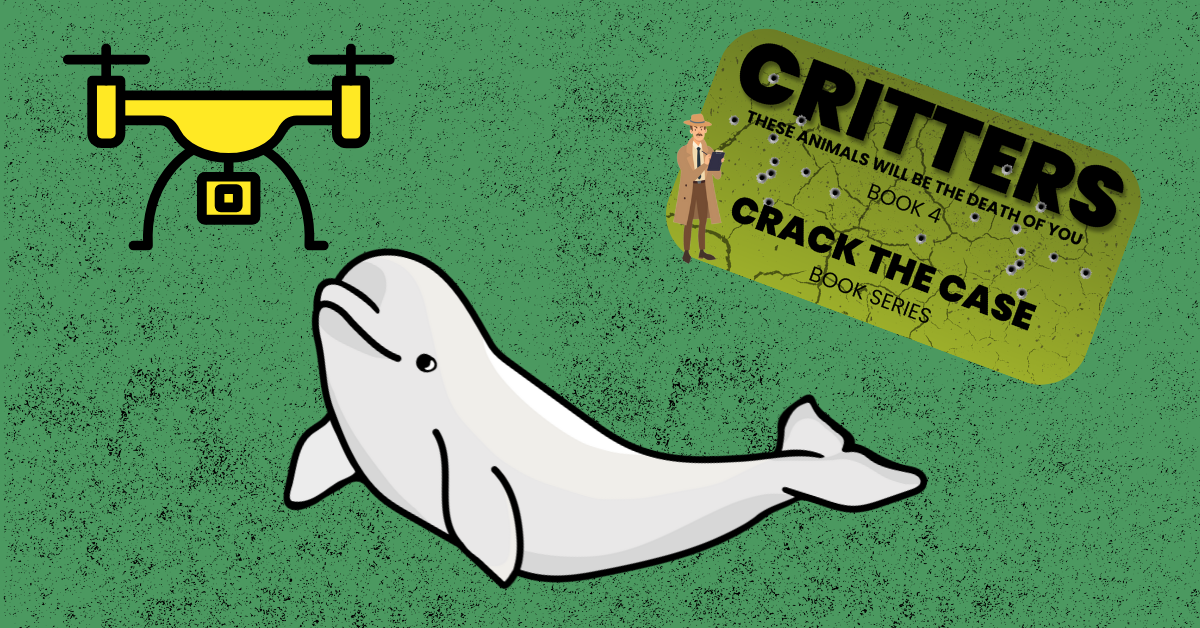
It’s not every day you get called to a crime scene and the first thing you see is a beluga whale giving you side-eye. Even more surprising, there’s a drone swimming laps like it owns the place. Yep—underwater forensic investigation is here.
🧩 The Setup
The victim? Pushed into the beluga whale tank sometime after closing.
Witnesses? A school of sardines and an eccentric bunch of tourists in a group called, of all things, The Society of People Who Showed Up. One of them insisted that the whale looked “visibly distressed.” Sure.
So, what did the crime scene techs do? Cue the underwater forensic drone. The lab team dropped it in like a remote-controlled piranha. It scanned the tank for clues, capturing visual and environmental data—video, sonar, heat mapping. Apparently, we’re checking for aquatic trauma now. Your friendly neighborhood diver has been replaced by a bright yellow, box-shaped robot. At least the beluga won’t be tempted to take a bite. Or will it?
Anyway, it reminds me that I need to renew my FAA Part 107 Drone Pilot License. Hopefully, I won’t have to take the test underwater.
🔍 What Was Found
The drone zipped around and delivered pictures of—belugas. One looked like he (or she, I’m no cetologist or marine mammalogist, so I’m not qualified to judge), was giving the camera the stink-eye. . Frankly, I would too if a yellow box with wires and tubes attached was in my face.
What else? A hand print. But our robotic friend can’t collect that yet. Human forensic divers still must examine and collect prints underwater. Maybe in a few years, the drone will get that upgrade. Or maybe humans won’t be around to find out.
I’ll have to pay a visit to Bob the crime scene tech soon. The hand print and the drone’s report require it. I’ve been avoiding him this week. Mostly because I’ve been thinking about Chicago.
🗂️ Other Evidence
Scuff marks on the railing. Found. Security camera? Disconnected. Suspicion. Applied.
❗ Something Fishy Is Going On
You don’t need gills to smell what’s rotten in this tank. The whale may not be talking, but the evidence is starting to bubble to the surface.
Catch you on the flip side. Or the dry side. You choose.
-Ned
🔬 Crime Scene Tech Tip: Underwater Evidence Collection
Collecting evidence underwater presents unique challenges. Forensic divers use specialized waterproof tools, powders, and lighting. They detect fingerprints, blood trails, or other trace evidence on submerged surfaces like glass. Underwater drones assist in mapping and locating evidence. However, trained divers are required for hands-on collection and careful preservation. This ensures crucial clues aren’t lost in the depths.

Leave a Reply