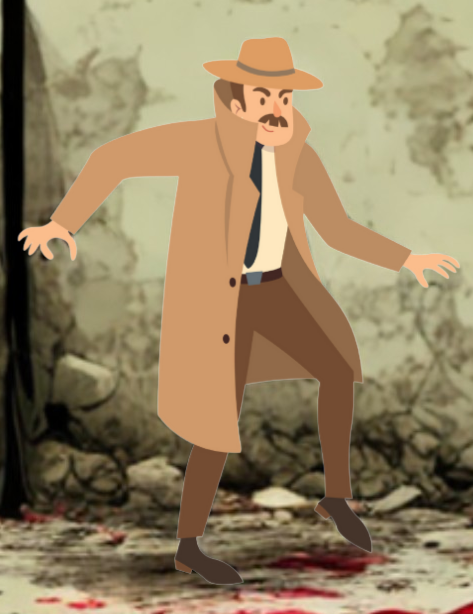
A Murder with No Blood
Susan: lovelorn, single, dead. What does plasma in crime scenes have to do with it? She was found strangled at The Florida Aquarium. Strangled. No blood, no mess. Just the quiet vacancy of a beautiful lady looking for a guy who didn’t see imminent doom coming.
I stood over her, my hand was reaching out to touch her hair. All of a sudden I had a fleeting thought of another body.
That body did bleed.
It also vanished.
I was in the wrong place at the wrong time. Or was I? People thought it was me. But it was really a man with a missing finger. Who looks just like me. Who would have thought that someone could look just like me? I mean, after all, have you seen my likeness? I’m a handsome dude. One of a kind.
Or maybe not.
What is Plasma and Why It Matters
But back to plasma at crime scenes. Because yes, I still haven’t explained what plasma has to do with it. And that’s important, because Bob, the crime scene tech, loves to share information with me.
According to Bob, plasma makes up 55% of your blood. It’s mostly water, carries proteins, nutrients, and hormones—basically the car share pool for everything your blood needs to haul around.
“Ned,” Bob reminded me, “no plasma, no life.”
And I nodded like I already knew that. Because that’s what friends do.
Of course, in Susan’s case, there was no plasma to see. No blood. Just the faint pressure mark around her neck and seven extremely weird suspects. How weird, you ask? Find out by reading Pairs. Or listen to it on your way to work. You bet, it’s an audio book!
That Other Body (The One That Vanished)
But plasma was on my mind.
Because the other case—the one with the art thief—there was blood.
The body was declared dead. Tagged and transported to the morgue. In this case, there was plasma at the crime scene. Maybe we’ll talk more about it in future Ned’s Notes.
Next morning? Gone.
Slab empty. Door locked. Security footage mysteriously erased.
Naturally, someone pointed a finger. Then another. Eventually, they all aimed at me.
Not only was the art thief gone, so was the art. The extremely fake art. Yes, the thief had stolen a forgery. The real piece? Who knows. Gone also.
Rumors flew. “Detective Ned moved the body.” “He was in on the heist.” “He swapped the corpse for a crate of shrimp.”
(That last one came from a conspiracy Reddit thread. I still check it sometimes. It’s weirdly creative. Especially considering I hadn’t moved to Florida yet.)
People still whisper.
The silence.
The suspicion.
The missing corpse.
Some bodies don’t stay put.
Until next time yours in suspicion,
Detective Ned
🔍 Crime Scene Tech Tip:
Plasma might not leave visible traces at a strangulation scene but understanding it can still help in forensic analysis.


Ned wants to know… What do you think? Leave your evidence below. 🕵️♂️